

Two Paths to a Fresh Start: Chapter 7 and Chapter 13 in California
Bankruptcy law is about getting a fresh financial start. It is not about "failure" or "fault.” Bankruptcy law is a balancing of the interests of debtors and creditors, with the underlying policy of allowing for payment to creditors of what the debtor can reasonably afford to pay after necessary living expenses (Chapter 13) or of the liquidated value of assets in excess of what a debtor is allowed to keep in Chapter 7. The ultimate goal of bankruptcy is to give debtors a chance to start over again with a clean slate. There are many reasons perfectly responsible people are forced into bankruptcy. Lay offs, catastrophic medical bills, foreclosure, lawsuits, garnishments, and unconscionable credit card interest rates can push anyone past his or her ability to repay. The bankruptcy attorneys at our San Jose, CA bankruptcy law firm always treat our clients with respect and compassion, and we defend debtors’ rights.
For the vast majority of consumer debtor clients, Chapter 7 and Chapter 13 are the only viable bankruptcy options. Each of these chapters creates a different path to a fresh start, and they are intended for people in different financial situations.
What is the Difference Between Chapter 7 and Chapter 13?
Chapter 7 BankruptcyThe powerful benefit and main difference between Chapter 7 and Chapter 13 is that Chapter 7 relieves the debtor of ever having to pay most types of debt. This permanent forgiveness of debt under Chapter 7 Bankruptcy is called a discharge. Chapter 7 is intended for debtors who do not have any income available, after necessary monthly living expenses, to make payment on their unsecured debts, and they generally do not have any assets or property available to repay their debts. To qualify for a Chapter 7 discharge, the debtor must be able to show that his or her allowed necessary monthly living expenses exceed or are equal to his current monthly income (CMI). Additionally, if a Chapter 7 debtor has any real estate or personal property of any value, and if that value exceeds his available Chapter 7 exemptions, then such assets will be taken from the debtor by the Bankruptcy Trustee and sold, with the proceeds distributed to the debtor’s creditors. For example, a typical middle-aged married couple in San Jose who intends to file a Chapter 7 bankruptcy would face the possibility of having the Bankruptcy Trustee take their home and liquidate it if the current fair market value of the residence showed equity of more than their allotted California homestead exemption of $100,000. If, for example, they had $150,000 in equity, the Trustee could seize and sell the property, and would then return to the couple their homestead exemption amount from the proceeds of the sale, while distributing the remaining proceeds to the couples’ creditors after paying the closing costs and trustee's administrative expenses. This is the basic bargain struck by the law in Chapter 7: In exchange for whatever non-exempt property the debtor has, he or she can have his or her debts forgiven by the Bankruptcy Court.
Put another way, Chapter 7 bankruptcy provides the debtor with a fresh financial start by permanently discharging his or her debt in exchange for a "liquidation" of his or her non-exempt assets. Note, however, that certain debts are either always non-dischargeable (such as family support obligations, court-ordered restitutionary damages awarded in drunk driving cases, and debts incurred through fraud) or dischargeable in very limited circumstances (back taxes and student loans). Except for the debtor's "exempt" assets, all of the debtor’s remaining property becomes the property of the bankruptcy estate and administered by the Chapter 7 Trustee. The Trustee in turn may use the debtor’s assets to pay his or her creditors. In reality, a large majority of debtors who qualify for Chapter 7 do not possess any assets that are not exempt from taking by the Trustee. Such a debtor’s case is a “no asset case.”
Chapter 13 Bankruptcy
The protections available under Chapter 13 bankruptcy also provide powerful relief. One of the main differences between Chapter 13 and Chapter 7 is that Chapter 13 is intended for the debtor who has sufficient income to pay some, but not all of his or her debts. If the debtor has steady income, and after all necessary monthly living expenses, has at least some "disposable" income left to pay something toward his or her debts, then this amount is applied to a payment plan proposed by the Chapter 13 debtor and his or her attorney. Assuming this payment plan is eventually confirmed by the Court, the Chapter 13 debtor will continue to make the plan payments for either 3 years or 5 years, depending on individual factors in the case. Unlike in Chapter 7, the debtor filing bankruptcy under Chapter 13 keeps all property and assets owned outright. There is no danger in Chapter 13 of the bankruptcy trustee taking any property from the debtor. Note, however, that if the debtor has assets of value in excess of the exemptions that would apply in a Chapter 7 case, then under the "liquidation test," this excess in value will trigger the requirement that at least this amount be repaid through the plan to the debtor's unsecured creditors. The only instance under Chapter 13 in which the debtor gives up any valuable asset occurs when the debtor decides voluntarily to surrender secured property, such as a home or a car, because he or she cannot afford to continue making payments for that property. The Chapter 13 debtor never has to give up anything that is already paid for.

Like Chapter 7, Chapter 13 bankruptcy is not available to everyone. Limits on the overall amount of one’s debts may prevent some individuals from qualifying for Chapter 13 bankruptcy petition, for example. As of April 1, 2010, debtors in Chapter 13 may have no more $360,475 of unsecured debts and $1,081,400 of secured debt. While the latter secured debt limit may at first glance appear to be quite high, a family in San Jose, California, who invested in one additional home when the real estate market seemed a good investment can easily exceed the secured debt limit in Chapter 13 bankruptcy.
At the San Jose, CA Law Offices of Jon G. Brooks, we carefully discuss with you the differences between the bankruptcy Chapters and then evaluate whether Chapter 7 or Chapter 13 is more appropriate for each client seeking bankruptcy protection. In order to make this determination, we ask our clients to provide us with detailed financial information concerning their assets, their income, their expenses, and their debts. Based on this information, we counsel our clients which type of bankruptcy is best for them and whether it is in the client’s best interest to file bankruptcy at all.
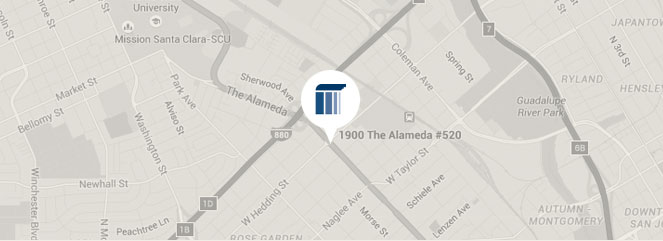
For a fresh financial start, schedule a free consultation with one of our bankruptcy lawyers by calling 408.286.2766. Prior to our appointment, we ask that you download our Personal Bankruptcy Questionnaire, fill it out to the best of your ability, and bring this information with you to your meeting. Our offices are located in San Jose, CA.
We are proud to be a Debt Relief Agency as defined by federal law. We help people get out of debt by filing for relief under the Bankruptcy Code.